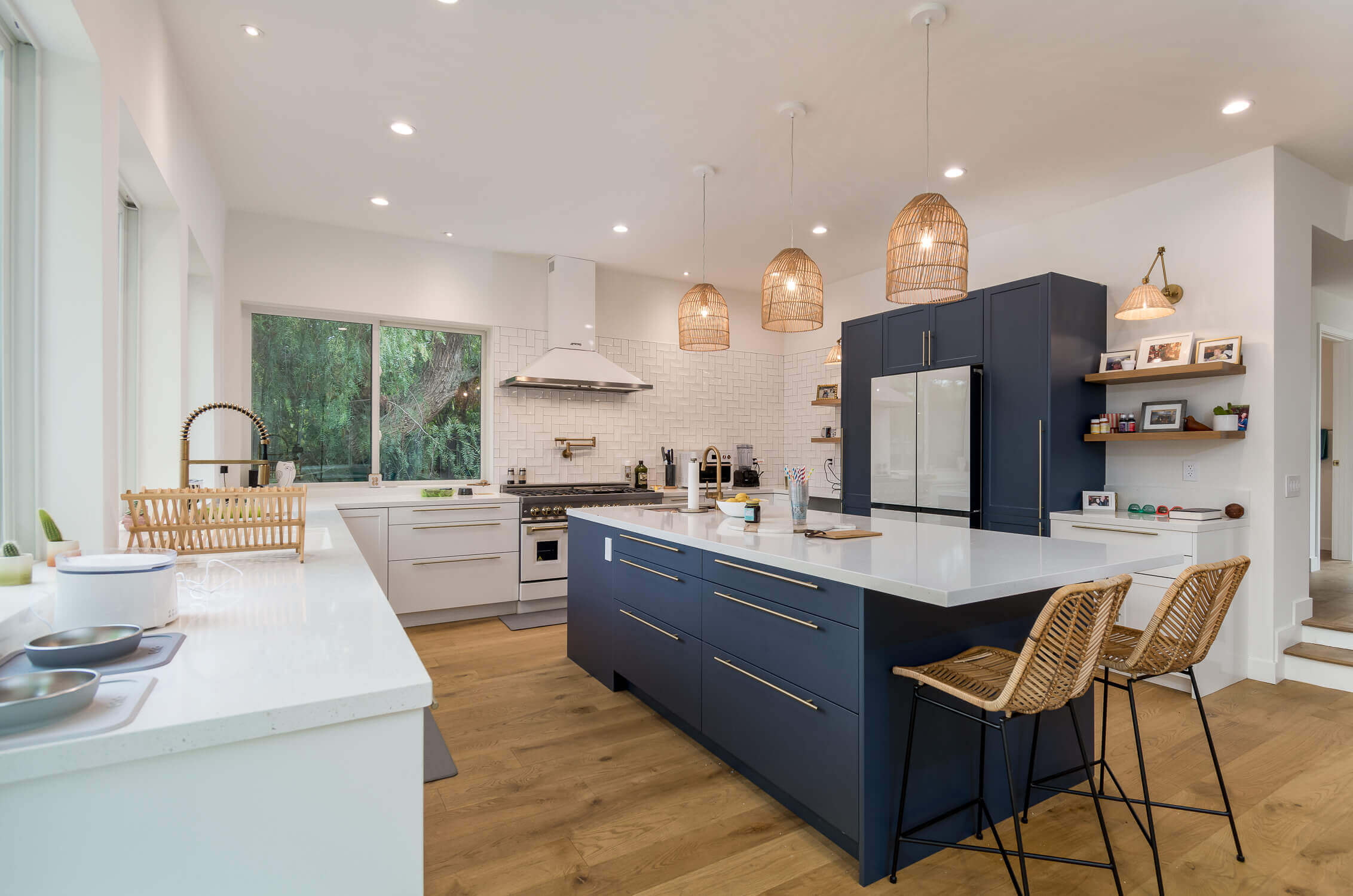






When planning a high-end renovation, homeowners often find themselves caught between an architectural design firm and a separate construction crew. Our Design & Build approach eliminates this friction by integrating the roles of Architect and Contractor into one seamless process.
By managing your project from the first blueprint to the final walkthrough, we ensure your vision remains intact while strictly adhering to Los Angeles building codes and structural requirements.
Choosing a “one-roof” firm means your home remodeling architect is also your licensed general contractor. This synergy allows us to:
Our integrated model provides the most efficient path to a finished home. As a premier architectural design company in Los Angeles, we don’t just draw dreams — we build them.
With a single point of accountability, streamlined communication, and full-service project management, your renovation moves forward faster, smoother, and with greater cost control.

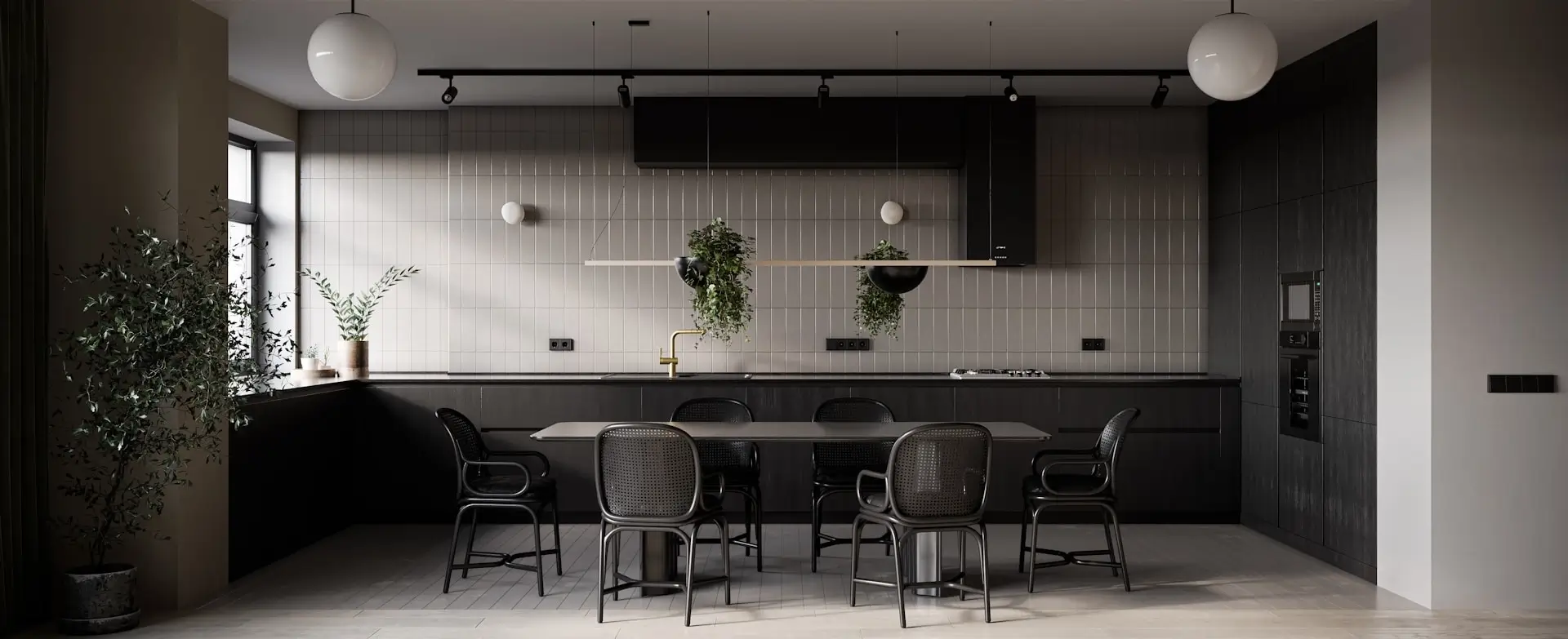
Removing walls, removing beams, open space concepts or reconfiguring layouts, a solid plan ensures vision meets expectations, budget control and efficiency. Work with professionals to assess structural needs, permits, and design goals. A remodeling architect must work in the existing square feet of the house and therefore creativity comes first.
Only hire a certified and registered Architect for your home addition project. Home extensions require more detailed work when it comes to permitting. Since the building is being extended out, the hired architect must be well familiar with the local building codes. We can smoothly navigate between zoning, planning and building departments so you can have a permit on hand quickly and with minimum fees.
We are proud to announce that our average time to have a garage conversion to ADU plan approved with the city of LA is now less than 30 days! Which means that you can have your ADU planned and built in less than 4 months altogether. Garage Conversions, Accessory Dwelling Units and Junior ADU’s have become one of the hottest topics in Los Angeles. Let’s talk about your options, consult with us to explore feasibility and zoning constraints.
We can have a preliminary design layout ready in less than 7 days. Once this is approved, we can have the architectural plans completed with all details in less than 30 days and ready for city submission. This is applicable for most Garage Conversion, ADU’s, small home additions, and general home remodeling projects.
The timeline for plan approval varies widely and depends on several key factors:
a. The specific city or jurisdiction
Every city follows its own internal process, workload capacity, and review structure.
b. The size and complexity of the project
The scope of the construction has a direct impact on approval speed.
c. Zoning conditions and unique property characteristics
Certain properties trigger additional departments or external agencies, which can slow down the process. Examples include:
Any of these factors can add weeks or even months to the overall approval timeline.
Summary:
Fees can vary a lot and they are mainly based on the size and location of the project. The most common fees are Building Permit Fees, Plan Check Fees and School Fees. Other projects will include Public works, fire department, Sewer, parks and recreational, etc.
Below are general estimates for plan approval fees based on project type:
Architectural costs vary based on the project type, complexity, and the city in which the property is located. Below is a clear breakdown by category:
a. Garage-to-ADU conversions
Garage-to-ADU conversions are one of the most common requests and their pricing depends heavily on the city’s review process.
These plans typically include architectural drawings, structural engineering (if needed), Title 24, site plan, and all documents required for submission.
b. Remodeling Plans
Remodeling plans usually apply to projects that keep the home within the existing square footage but include layout changes, wall reconfigurations, or window modifications.
c. Home Addition / Extension Plans
The cost of addition plans is directly related to the size of the new square footage being added.
Example: A 500 sq ft addition may cost $5,000 – $10,000 in architectural and structural plans.
The good news is that working with an architect that is also a builder like us allows you to enjoy discounted rates if the construction is done with us.
If these unpermitted items or spaces are known to the city already, then you will most likely NOT be able to obtain any new building permit for any remodeling project until you address that issue. If the city is not aware of such item, a building permit could be obtained but there’s always a chance that the building inspector will notice it and will request the homeowner to comply.
This is one of the most common questions homeowners ask. Many people assume that because the space is already built—and sometimes finished beautifully—it should be easy to legalize. Unfortunately, that’s rarely the case.
Existing construction does not guarantee easy approval
Even if the structure looks complete and high-quality, the city cannot approve it without verifying the hidden elements inside the walls, floors, ceilings, and foundation. Because these components were never inspected during construction, the city cannot assume they meet code.
Expect significant exposure or partial demolition
To approve unpermitted additions or garage conversions, city inspectors typically require:
This often results in a partial or complete strip-down of the existing space so the inspector can confirm that the work was done safely and to today’s code.
The approval process starts with architectural plans
Legalizing an unpermitted space is treated almost like starting a new project. Steps include:
Architectural Plans
The architect drafts plans as if building from scratch. If the existing layout already meets code, it will be reflected “as-is.” If it does not meet code, the architect will revise the design to include items such as proper door widths, correct window sizes and egress, legal room dimensions, fire and safety requirements, energy compliance (Title 24) and more.
Plan Review and Approval
Plans are submitted to the city and reviewed through the standard plan-check process.
Pre-Inspection (Highly Recommended)
Once the plans are approved, a pre-inspection should be requested. In this meeting, the building inspector will list all areas that must be exposed for verification. This determines the true scope of work and helps the homeowner understand: